Checking offers...


Daily Habits That Support Healthy Hair
Healthy hair is not only about appearance; it can also reflect proper care, nutrition, and a balanced lifestyle. However, many people today face different hair problems such as hair fall, dry and frizzy hair, hair breakage, dullness, slow hair growth, and scalp issues. Some of these concerns may be linked to daily habits like poor diet, stress, pollution, lack of sleep, excessive styling, and not providing enough nourishment to the body.
The good news is that simple daily habits for healthy hair can help you maintain a healthier scalp, reduce unnecessary breakage, and keep your hair looking its best. In this guide, we'll share easy hair care tips you can include in your routine without making major lifestyle changes.
Common Hair Problems and Their Causes
Hair Fall and Weak Hair Roots
Hair fall is one of the most common concerns faced by people. Excessive hair shedding can be linked to stress, nutritional deficiencies, hormonal changes, genetics, and certain medical conditions. Understanding the possible cause can help you choose the right approach to managing hair fall and maintaining healthy hair.
Dry and Frizzy Hair
Dry and rough hair often occurs due to a lack of moisture, excessive use of heat styling tools, harsh hair products, and exposure to pollution. When hair loses its natural moisture, it becomes difficult to manage and may look dull.
Using a suitable conditioner and reducing excessive heat exposure can help improve softness and manageability.
Hair Breakage
Weak hair strands can easily break due to improper brushing, chemical treatments, frequent styling, and friction or hairstyles that pull tightly on the hair. Regular care and gentle handling are important to maintain hair strength.
Dull and Lifeless Hair
Hair may lose its natural shine when the outer layer becomes rough or damaged. An unhealthy lifestyle, poor diet, and environmental factors can also influence the appearance and condition of your hair.
Slow Hair Growth
Healthy hair growth depends on proper nutrition and overall wellness. Genetics, hormonal changes, certain health conditions, and nutritional deficiencies may also influence the natural hair growth cycle.
While no daily routine can guarantee faster hair growth, healthy habits can help protect existing hair and support normal growth.
Scalp Problems
A healthy scalp is important for healthy hair. Issues like dandruff, dryness, itching, and excess oil can affect scalp comfort and hair quality.
Keeping your scalp clean and choosing products suited to your scalp type can help maintain a comfortable, balanced hair care routine. Persistent itching, redness, or flaking may need professional assessment.
10 Daily Habits for Healthy Hair: Easy Hair Care Tips
Improving hair health starts with simple everyday changes. A balanced diet, proper hydration, quality sleep, and stress management can help support stronger-looking hair.
Here are ten practical healthy hair habits we recommend building into your everyday routine.
1. Eat a Balanced, Nutrient-Rich Diet
Include nutrient-rich foods in your daily diet.
Protein, iron, zinc, and essential vitamins support normal hair growth and maintenance. Try including foods such as lentils, eggs, nuts, seeds, leafy vegetables, dairy products, and other protein-rich options in your meals.
A balanced diet is an important foundation for healthy hair. If you're considering additional nutritional support, our guide to hair growth gummies explains their ingredients, potential benefits, and limitations.
2. Stay Hydrated Throughout the Day
Drink enough water to maintain hydration.
Proper hydration supports your overall health and normal body functions. Keep water accessible during the day and adjust your intake according to your activity level, climate, and individual needs.
3. Wash Your Hair According to Your Scalp Type
A good hair care routine starts with choosing a gentle shampoo and washing your hair according to how oily or dirty your scalp becomes.
If your scalp becomes oily quickly, you may need to wash more frequently. If your hair is dry or curly, washing less often may be more suitable. Focus shampoo on your scalp rather than rubbing it through the entire hair length.
4. Use Conditioner After Shampooing
Conditioner helps moisturise hair, reduce friction, and make detangling easier. Applying it after shampooing can help prevent breakage and keep hair looking smoother.
For fine or straight hair, concentrate on the ends. For dry or curly hair, apply conditioner along the lengths as needed.
5. Limit Heat Styling and Chemical Treatments
Avoid excessive heat styling and harsh chemical treatments.
Frequent use of straighteners, curling irons, and blow dryers at high temperatures can damage hair strands. Whenever possible, let your hair air-dry and use lower heat settings and appropriate heat protection products when styling.
6. Brush and Detangle Your Hair Gently
Follow a gentle hair care routine. Use a wide-tooth comb to remove tangles carefully, starting from the ends and gradually moving upward. Wet hair needs extra care; the best time to detangle depends on your hair texture.
Avoid aggressive brushing and rubbing your hair with a towel. Instead, gently wrap it in a soft towel or cotton T-shirt to absorb excess moisture.
7. Avoid Tight Hairstyles That Pull on Your Hair
Tight ponytails, braids, buns, and extensions can place repeated tension on hair strands and follicles. Over time, this may contribute to breakage and traction-related hair loss.
Choose comfortable hairstyles and avoid pulling your hair tightly throughout the day.
8. Maintain a Clean and Healthy Scalp
Scalp care is an important part of maintaining healthy hair. Regular cleansing helps remove excess oil, sweat, and product buildup.
Choose scalp-care products according to your needs. If you experience persistent dandruff, irritation, or itching, speak with a dermatologist for suitable treatment.
9. Prioritise Quality Sleep and Stress Management
Manage stress and maintain a healthy lifestyle. Try to maintain a consistent sleep schedule and make time for activities that help you relax, such as walking, yoga, meditation, or other enjoyable hobbies.
Managing ongoing stress and getting adequate rest can support your overall well-being, which is an important part of a balanced hair wellness routine.
10. Protect Your Hair from Environmental Damage
Protect hair from pollution and environmental damage. Sun exposure, dust, wind, and environmental conditions can affect how your hair looks and feels. Wearing a hat when appropriate, using suitable protective hair products, and gently cleansing away buildup can help maintain hair condition.
The key to a healthy hair care routine is consistency. Small habits practised regularly can help improve how your hair feels and looks over time.
When Should You Seek Professional Advice for Hair Fall?
Some hair shedding is normal, but persistent or noticeable hair loss may need medical attention. We recommend consulting a dermatologist if you experience:
- Sudden or excessive hair shedding
- Visible thinning or widening of your hair part
- Bald patches or changes in your hairline
- Ongoing scalp irritation, redness, or discomfort
Identifying the underlying cause is important because hair loss can result from several nutritional, hormonal, genetic, or medical factors.
Support Hair, Skin & Nail Health with Lozanaa Hair Skin and Nail Gummies
To maintain healthy-looking hair, your body needs proper nutritional support. Lozanaa Hair Skin and Nail Gummies are designed to support your daily beauty routine by providing essential nutrients for Hair, Skin, and Nail health.
At Lozanaa, we believe that daily nutrition and gentle hair care work best as part of a balanced wellness routine. These tasty gummies offer a convenient way to add beauty nutrition to your everyday lifestyle. Along with healthy habits and proper care, they may help support nutritional intake, but supplements are not a guaranteed treatment for hair loss or a replacement for a balanced diet.
Make healthy hair part of your daily routine with Lozanaa Hair Skin and Nail Gummies, and take a step toward better Hair, Skin, and Nail wellness every day.
FAQs About Healthy Hair Habits
1. What daily habits are best for healthy hair?
Eating a balanced diet, washing your hair according to your scalp type, using conditioner, avoiding excessive heat, and handling your hair gently are some of the most useful daily habits for maintaining healthy hair.
2. How can I maintain healthy hair naturally?
You can support healthy hair through nutritious meals, gentle washing, regular conditioning, adequate sleep, and avoiding hairstyles that cause unnecessary tension. Consistency matters more than following a complicated routine.
3. Can healthy hair habits reduce hair fall?
Healthy hair habits can help reduce breakage and certain forms of hair damage. However, hair shedding caused by genetics, hormonal changes, or medical conditions may require additional treatment.
4. Which foods are good for healthy hair?
Protein-rich foods, lentils, eggs, nuts, seeds, leafy vegetables, and other foods providing iron, zinc, and essential vitamins can help support normal hair growth and overall nutrition.
5. Do hair vitamins and gummies help with hair growth?
Hair supplements may be useful when they address a nutritional gap. However, taking extra vitamins when you already have adequate nutrient levels does not necessarily improve hair growth. The results depend on your individual needs and the cause of any hair concerns.
Conclusion
Healthy-looking hair begins with simple, consistent habits. From eating nutritious meals and caring for your scalp to using gentle hair products and protecting your hair from damage, every small step can contribute to a healthier hair care routine.
At Lozanaa, we encourage you to focus on balanced nutrition, everyday self-care, and informed supplement choices. With patience and a routine that suits your hair type, you can take positive steps towards maintaining healthier-looking hair.
Recommended Products
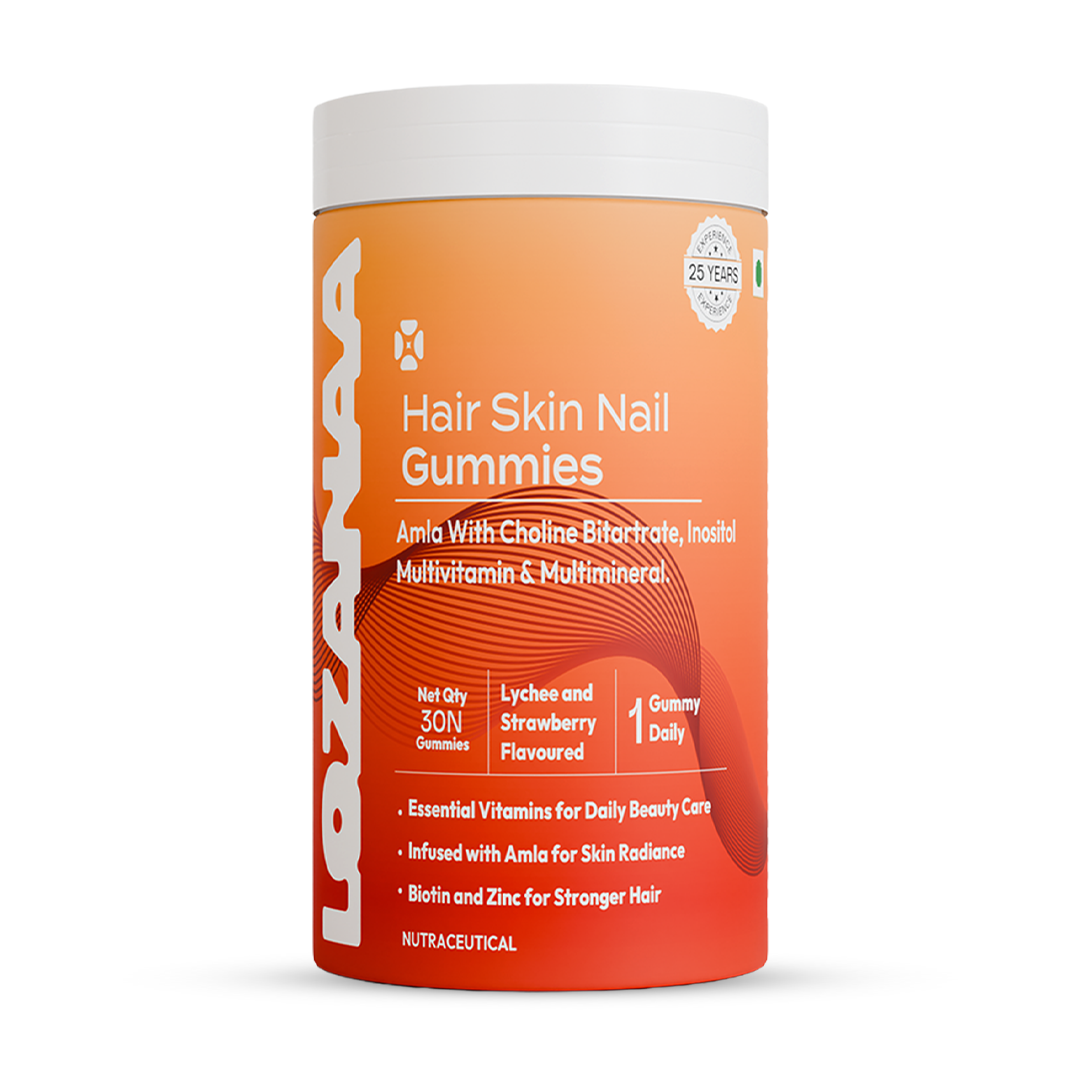
Hair Skin and Nail Gummies
₹949.00 ₹1,398.00
Shop Now
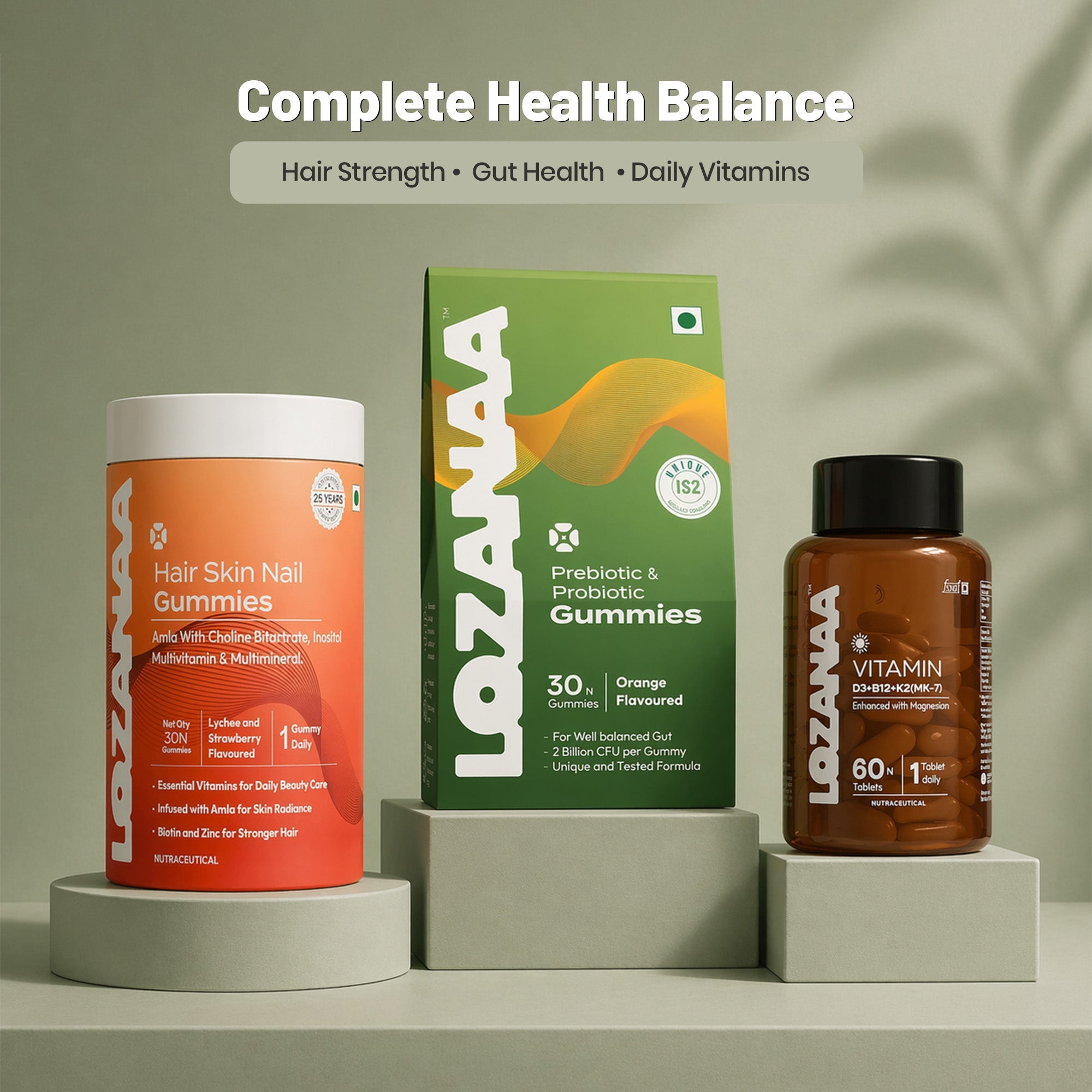
The Inner Glow Kit
₹1,499.00 ₹1,599.00
Shop Now
Disclaimer:
This blog is for informational and educational purposes only and should not be considered medical advice. Hair health, hair growth, and hair fall may vary depending on individual health conditions, nutritional needs, and lifestyle factors. The information provided does not replace professional medical guidance. Always consult a qualified healthcare professional before starting any supplements or making significant changes to your hair care routine, especially if you experience persistent hair loss or scalp concerns.