Checking offers...


How to Choose the Right Liver Detox Tablets for Your Needs
Do you need to know which liver detox tablets are suitable for you? There are products that claim to clear toxins from the liver, eliminate toxins from the body, or aid digestion. But the attractiveness of packaging and compelling claims are not enough. Your liver already gets the job done as it filters the waste, medicines, and nutrients. There is currently limited evidence to support commercial detox and cleanse products. When purchasing any tablet, read the ingredients, dosage, safety information, product claims, quality information and suitability to your health condition.
Recommended Products
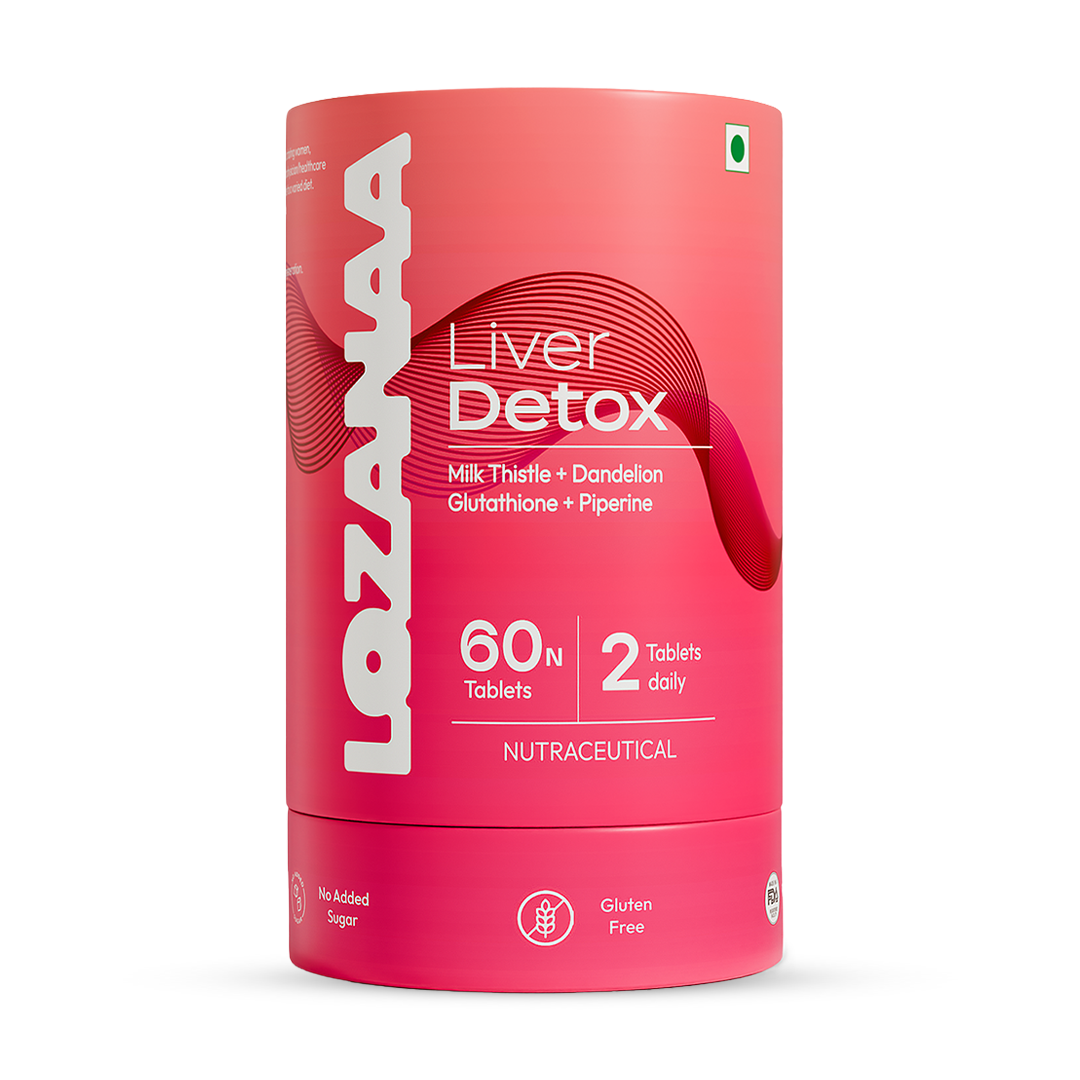
Liver Detox Tablets With Milk Thistle
₹749.00 ₹999.00
Shop Now
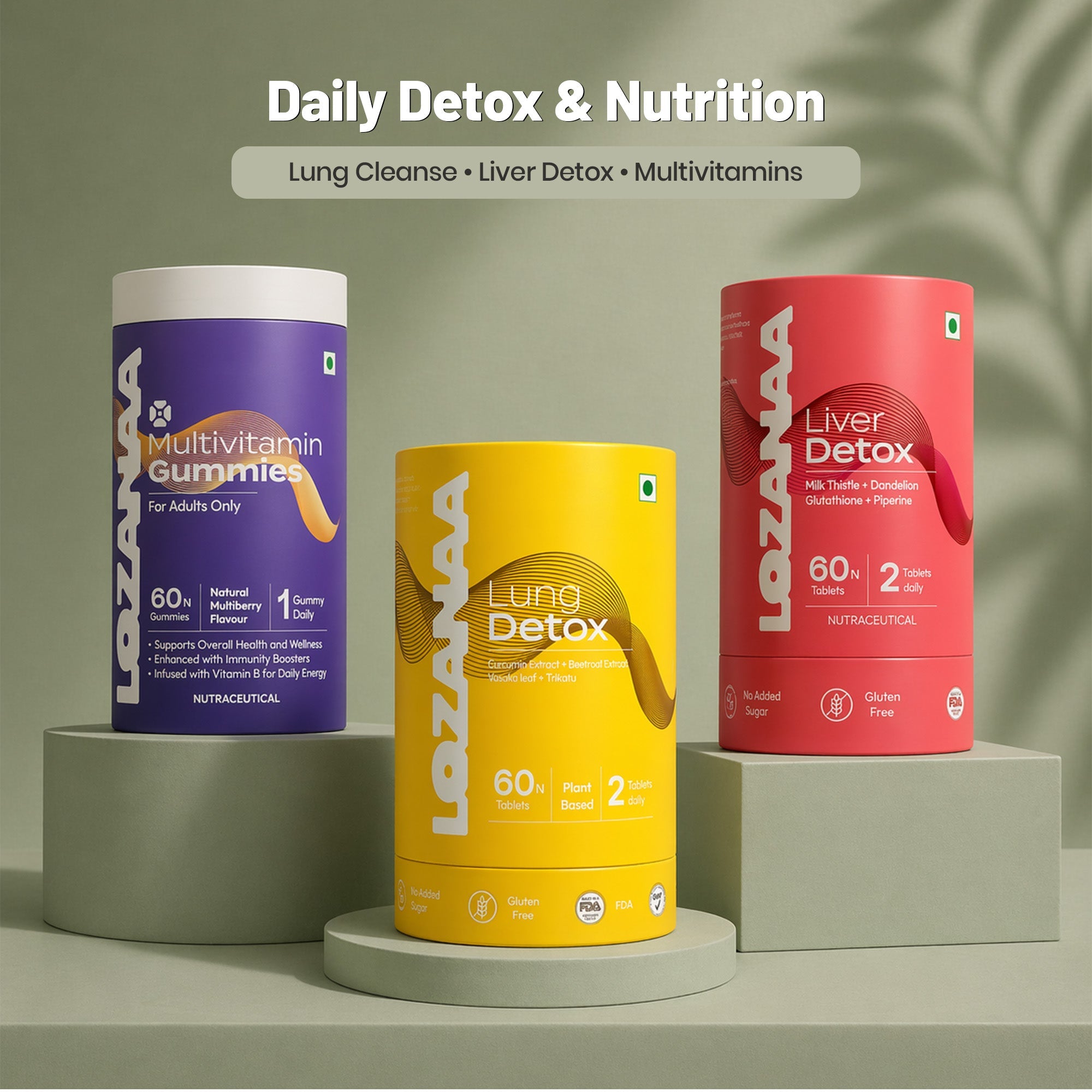
The Deep Cleanse Kit
₹1,999.00 ₹2,299.00
Shop Now
Understand What Liver Detox Tablets Offer
Liver detox and liver support typically refer to dietary supplements that include plant extracts, vitamins, minerals or herbs. These are not liver disease medications given to someone who has been diagnosed with a liver disease.
There is little evidence of detox programmes, according to the National Center for Complementary and Integrative Health, and some products may pose safety risks. Always read the NCCIH guidance before accepting claims that a tablet removes toxins from the body.
Read the Full Ingredient List
Be sure to read all the ingredients before selecting a product. Check specific amounts and names of ingredients per serving. Don't think that a longer formula will be more supportive.
Certain supplements come in the form of multiple concentrated herbal extracts. Read about every ingredient and any potential side effects and interactions. Some medications, herbal products, and dietary supplements are associated with liver injury, which is documented in the NIH LiverTox database. LiverTox can be used to screen individual ingredients.
Check Product Claims Carefully
Consider if the product guarantees something that seems impossible. If someone promises to remove all toxins, repair the liver overnight or reverse liver damage, be sceptical.
Supplements should not be a substitute for treatment of liver disease. In India, FSSAI has jurisdiction over claims made for health supplements. It gives guidance on its official health supplement, which states that product claims must comply with applicable requirements.
Select items that are clearly written for their intended purpose, rather than making big claims.
Look at Quality and Label Information
Look to see if the pack contains clear information such as the manufacturer or the marketer, ingredients, serving size, expiry date, storage conditions, and warnings. This information enables you to have a better understanding of the product you're purchasing and how you can use it.
Consider Your Personal Health Needs
Which supplement is best for you may depend on your health and the medicines that you use. Products may be unsuitable for people with existing liver disease, allergies, pregnancy, breastfeeding and regular medicines.
Discuss with a doctor or pharmacist before taking a supplement if you have liver disease or take regular drugs. Individuals with liver disease are encouraged to consult their health care providers before taking dietary supplements since some herbs may adversely affect the liver. See the NIDDK advice for more details.
One product you might consider is Lozanaa, but review the full product label, directions, ingredients and appropriateness before use.
Follow the Recommended Dosage
Don't think that a bigger dose is better. Serve according to package directions and follow the instructions carefully.
Look to see if the product says to take it with food or water. Ensure medicines and supplements are not duplicated by keeping a record.
Put Safety Before Marketing
Not everything natural is necessarily safe. Certain herbs may interact with medications, and specific components of dietary supplements have been linked with liver damage. LiverTox, a tool provided by NIDDK, is useful for health care providers to review potential liver injury associated with medicines and supplements.
If you have unusual symptoms when you begin taking a supplement, get medical help. A detox tablet should not be used as a substitute for the treatment of a diagnosed liver disease.
Compare Products Before Buying
Compare products with the same information – ingredients, amounts, claims, dosage, manufacturer information, warnings, price. This allows you to concentrate on the facts rather than appealing marketing.
Always read the whole label, not just customer reviews. No personal reviews can guarantee the safety of a supplement for all people.
Conclusion
When choosing liver detox tabs, consider the ingredients, dosage, quality information, product claims, and safety warnings. Avoid any supplement that claims to be a quick clean. Compare with your real health requirements, and seek advice from a professional as needed. This can help you steer clear of bad options and help you make an informed decision regarding liver support supplements. Lozanaa can only be considered after this thorough review.
FAQs
Are liver detox tablets necessary for everyone?
No. Not all people require a detox supplement. Waste processing is a natural process, and existing evidence regarding detoxing commercially available programmes is not conclusive.
What ingredients should I look for?
There's no one-size-fits-all ingredient. Read the full label, quantity and potential interactions. If you don't know what a particular herb does, talk to a health care provider.
Can these tablets treat fatty liver disease?
Never use a detox pill for fatty liver disease. Liver disease patients should consult a health care provider before using supplements, as some herbs can be harmful to the liver.
How can I check whether a supplement is trustworthy?
Look at the manufacturer information, ingredients, serving size, expiration date, warnings, and claims. In India, also check if the product complies with the relevant FSSAI guidelines.
Should I consult a doctor before using them?
Yes, particularly if you are on medications, have liver disease, are pregnant or nursing, or have another medical condition. A doctor or pharmacist can be consulted to check for possible interactions.