Checking offers...


Immune Booster Tablets Buying Guide: Make the Right Choice Every Time
So how to select immune booster tablets without getting lost in the claims and variety of products? There are many vitamin, mineral, herbal, and combination tablets available, so a buying guide can help you. Immune booster tablets may be used to make up for any nutritional deficiencies, but are not a substitute for a healthy diet or medical care. This guide is designed to help you understand what to look for before purchasing, how to look at the label, how to compare products, what ingredients you'll likely see, and when to consult a healthcare professional for advice.
Recommended Products
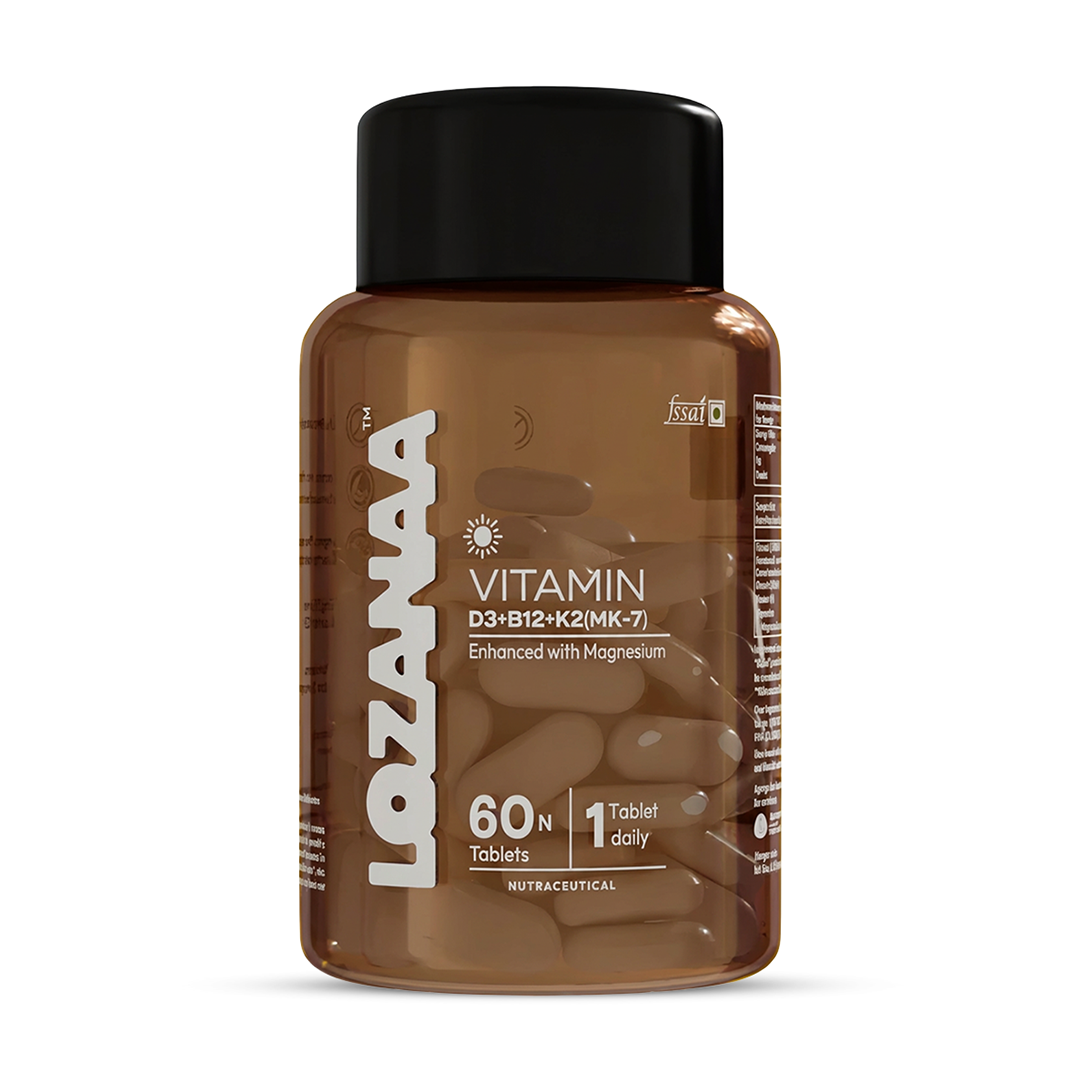
Vitamin D3 K2 B12 Tablets for Bone & Muscle Support
₹659.00 ₹1,198.00
Shop Now
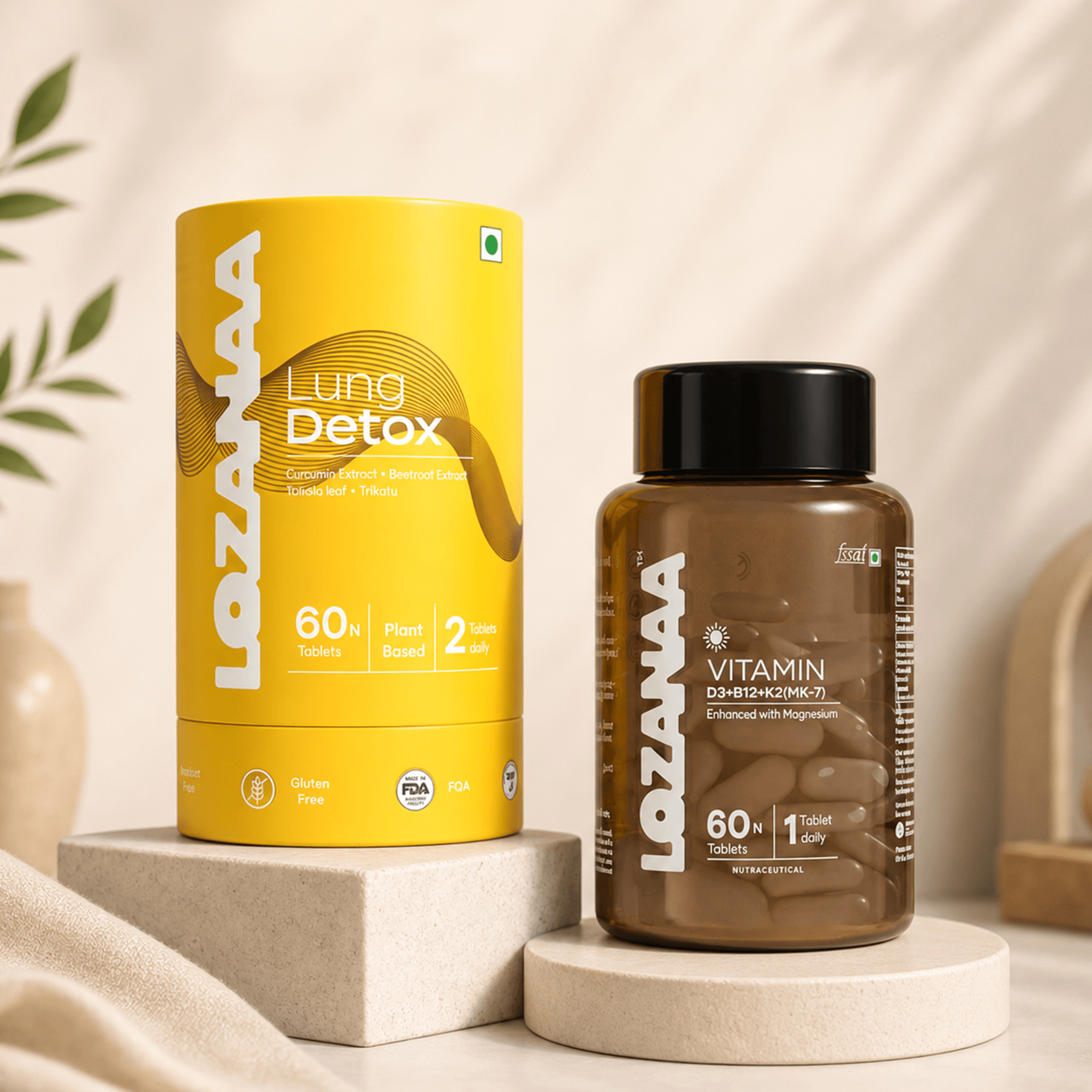
Lozanaa Advance Immunity Booster Pack
₹1,198.00
Shop Now
Know What Immune Booster Tablets Do
Immune booster tablets typically contain vitamins, minerals, herbs or a mixture of these. Vitamin C, vitamin D, vitamin A, vitamin E, selenium and zinc play a role in maintaining normal immune function. Taking a supplement doesn't necessarily mean you won't catch an infection, and it is not a guarantee of greater immunity. The benefit will vary according to your diet, nutrient status, and needs.
Consider selecting the product that will meet a nutritional requirement instead of a product that will protect immediately.
Check the Ingredients Before Buying
Begin with the list of ingredients. Test all the vitamins, minerals, herbs, and active ingredients.
Be mindful of portion sizes. The label may contain a double dosage for two tablets. Look for other supplements, as they may have the same nutrients. This can lead to an excess of calories.
Products that are marketed as immune-supportive tend to contain a lot of Vitamin C and zinc. Additionally, Vitamin D has beneficial effects on immune function, and dietary and health factors influence requirements for Vitamin D supplementation.
Understand Dosage and Daily Needs
“Too much is more than enough.” Too much of certain nutrients can be a health hazard, particularly if taken over a long period.
Take care to read the recommended serving. Don't assume that increasing the dosage will result in increased immunity. When selecting a product, take into account your age, diet and health requirements.
When taking medicines, it is important to consult a doctor or a pharmacist before beginning a supplement. A few supplements might interact with medicines.
Read the Label Carefully
A clear label will assist in making a safer choice. Verify the serving size, ingredient quantities, instructions, storage information, manufacturer information, batch information, and expiration date.
Beware of products that claim to cure disease, substitute treatment or provide immunity against infections. Dietary supplements should not be used in place of nutritious foods, prescription medications or appropriate healthcare.
Compare Quality, Not Only Price
While price can be considered, it is not the only factor when comparing products. The higher the price, the better the quality isn't always.
Check for manufacturers that give transparent information about their products and quality. Find out if the company provides manufacturing data or batch verification data.
If you have the opportunity to test it independently, it offers additional confidence. But a quality seal does not necessarily mean a particular health benefit.
Consider the Tablet Form
Many products include multiple nutrients, and others are formulated with just one or two nutrients. Think about which one suits your requirements and schedule.
See the recommended serving size and whether you can take the recommended dosage consistently. A simple formula can help you better understand your nutrient intake.
Be Careful With Herbal Ingredients
Herbs are sometimes added to some immune tablets that contain vitamins and minerals. Natural substances can have significant effects or interact with drugs.
Don't be misled by a long list of ingredients; the product may not be better.
Before purchasing a combination tablet, read all active ingredients. Contact a health care provider if you are taking medicines and have a health condition to discuss possible interactions.
Know When You Need Professional Advice
Avoid taking a supplement because it has been suggested by a friend, ad, or social media post.
Prescription medicines, multiple supplements, health conditions, pregnancy and breastfeeding, and providing supplements to a child – all of these situations require professional advice.
Avoid Common Buying Mistakes
Many buyers look at the package and pay attention to the term immune booster. Rather, read the full label and ingredient list.
Another frequent error is the use of multiple products containing the same nutrients. Think about everything that you already use and don't need to get another tablet.
Don't make outrageous promises or promises of results. When buying, check the expiration date and the packaging condition also.
Conclusion
When buying immune booster tablets, it's important to read the labels carefully and consider individual requirements. Compare ingredients, dosage, and quality information before buying. Supplements are not a substitute for nutritious foods or medical care. Read instructions and consult experts if necessary. Check out Lozanaa for wellness options.
FAQs
Are immune booster tablets necessary for everyone?
No. Eating a diverse diet can provide a wide range of nutrients essential for a healthy immune system. In some cases, it may be necessary to use supplements due to a deficiency or special nutritional requirement.
Which ingredients should I check first?
Read the complete list of ingredients. Vitamin C, vitamin D, zinc, vitamin A, vitamin E, and selenium are all important in normal immune function, but require supplementation only if the need is found to be greater than the threshold provided by your diet.
Is a higher dose better?
No: More is not necessarily better and may lead to an increased risk. Follow the instructions on the label and ask for professional advice as required.
Can I take immune tablets with medicines?
Some supplements may interact with drugs. Before taking a new supplement, check with your doctor or pharmacist about any other supplements you are taking.
How can I choose a trustworthy supplement?
Read the complete label, quantities of ingredients, manufacturer information, expiration date, and quality information. Beware of any health or disease remedy guarantees.