Checking offers...


Lung Detox vs Lung Cleanse: What's the Difference?
Walk into any wellness shop or browse through a health blog, and you will most probably come across two names that appear to mean the same thing: lung detox and lung cleanse practices. This blog explores the key differences between lung detox vs. lung cleanse, what each phrase truly means, how they overlap, where they divide, and what you can realistically expect from each approach.
What is Lung Detox?
Detox means elimination of toxins, and that’s precisely what a lung detox is all about. The phrase detox is bandied about often in the health sector, so some skepticism about sweeping statements is quite appropriate. There is no product that can cleanse years of pollution exposure from your lungs in a matter of days. What a reasonable lung cleanse and detox program may do is make it simpler for your body’s natural mechanisms to complete their job properly.
What Is A Lung Cleanse And How Is It Different?
This is a little similar to a detox but tends to convey a somewhat narrower, more routine-oriented definition. Instead of positioning itself as a curative procedure to rectify harm, a lung cleanse is generally characterized as a continuous exercise to maintain the airways as free and operating well. It's not really a reset button, but more like something you do every now and again, like taking care of your skin or your teeth.
The difference is purpose and framing. Normally, these activities are couched as something that you do continuously, practically a daily habit, rather than an intense one-off activity. The focus is on prevention and maintenance rather than repair.
Recommended Products
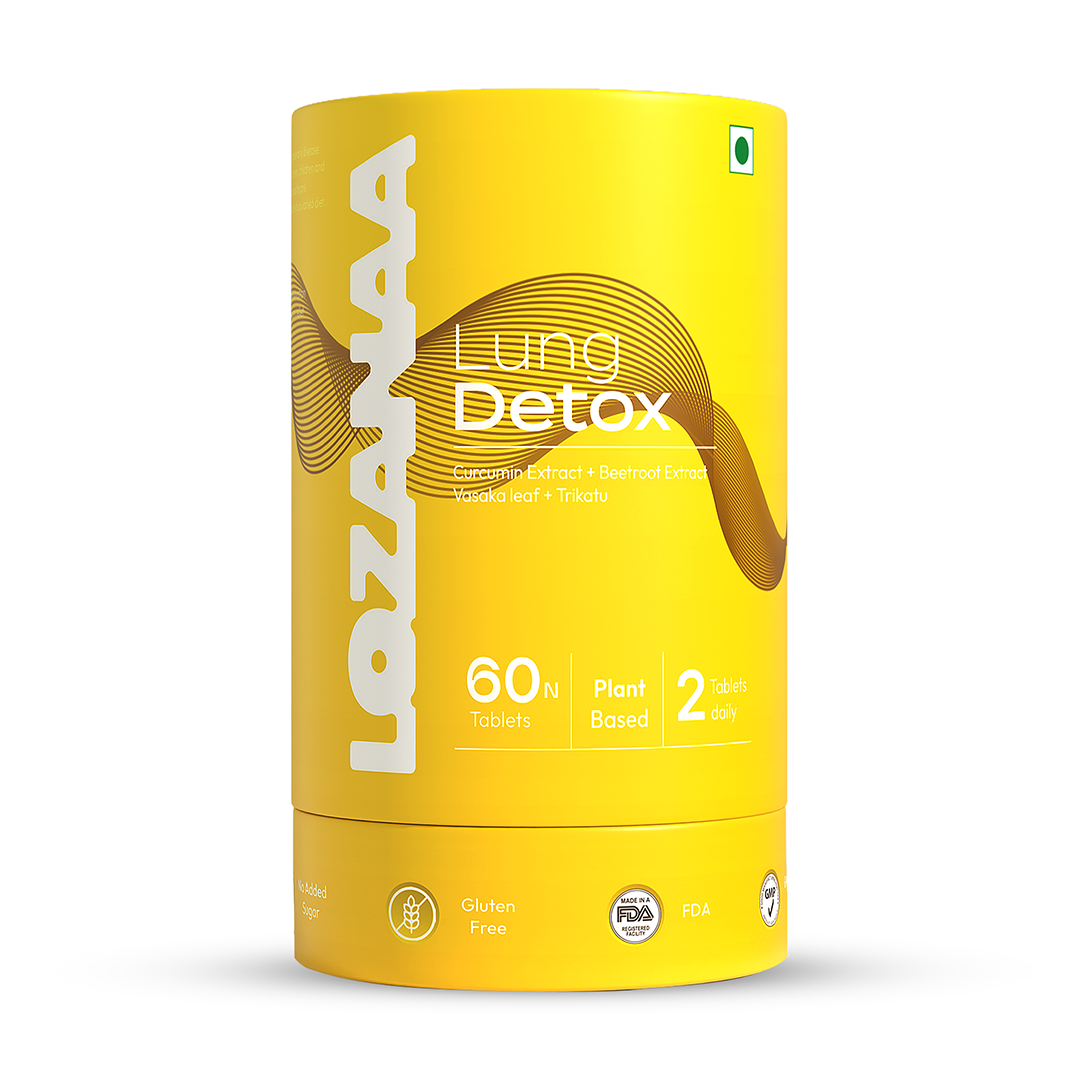
Lozanaa Lung Detox Tablet | Lung Cleanse Supplement
₹1,178 ₹1,998
Shop Now
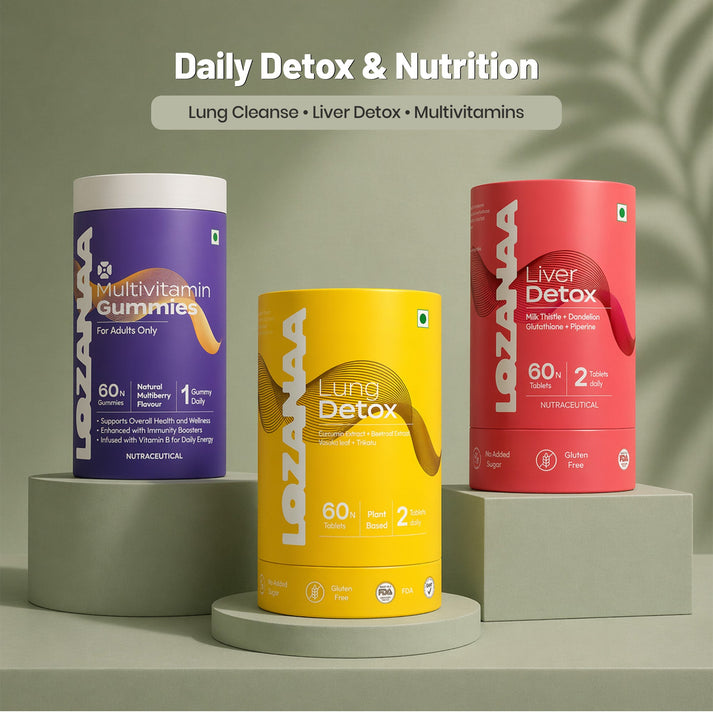
The Deep Cleanse Kit
₹1,999 ₹2,299
Shop Now
Lung Detox vs Lung Cleanse: Where Do They Converge?
In reality, the boundary between a detox and a cleanse is a little bit unclear, which is part of the reason why the phrases are used so indiscriminately. Both ideas are based on the same fundamental purpose—to help the lungs do what they naturally need to do: remain clean and work properly. They typically need comparable tools, including water, clean air, particular meals, breathing exercises, and lung cleanse supplements advertised for respiratory health.
Many items on the market don’t even attempt to differentiate between the two, using both terms on the same label. In practical terms, when you’re looking for daily lung support supplements, it’s probably the case that products marketed as detox formulas and those marketed as cleanse formulas tend to contain a very similar set of ingredients, such as antioxidant-rich botanicals, vitamin C, and compounds that are believed to support healthy levels of inflammation in the airways.
Where They Really Differ
There is some overlap, but also some important differences worth remembering. It has a feeling of urgency or correction. However, a cleansing is often promoted as something that anyone can include, regardless of individual exposure history. It’s more about preventative care, the way individuals pick up wellness formulations not because anything is wrong but because they want to keep optimal lung function long-term.
Another element of variation is duration. Detox treatments are generally sold as a brief, set amount of time, like a two-week or thirty-day plan. The way we often talk about cleansing routines is as something extra to add onto our daily or weekly self-care regimen, with no real end point in mind.
The Role of Lung Cleanse Supplements in Either Approach
Lung health supplements are one of the most apparent pieces of this discourse, and it’s simple to understand why. The capsule seems more solid and more achievable than committing to persistent lifestyle changes, although the latter often has a better research foundation behind it.
When individuals seek lung cleansing supplements, most of the time they are searching for solutions with substances like mullein, N-acetylcysteine, quercetin, or different antioxidant mixes that have some traditional or preliminary study link with respiratory support. Other more general lung cleanse supplements may include vitamin D, magnesium, or omega-3 fatty acids, minerals that are associated with overall immunological and inflammatory balance that can assist the respiratory system indirectly.
And then there is a third group that you should know about: daily lung support pills. These are usually intended for continuous long-term usage rather than a brief, intense course, as the name implies. They are more often akin to a multivitamin than a therapeutic therapy, designed to be taken as part of a consistent daily routine together with healthy sleep, frequent activity, and clean air if feasible.
Regardless of how a supplement is advertised, it’s crucial to have reasonable expectations. Lung health supplements are designed to supplement a healthy lifestyle, not to replace any medical treatment or act as a replacement for stopping bad habits such as smoking. If you have an existing respiratory disease or are contemplating beginning a new supplement habit, speak to your healthcare professional first, especially since some of the constituents may interact with drugs or may not be well suited to specific health conditions.
Summary
With the overlap of the two notions, the most important question is typically not which phrase is technically right, but what you are really attempting to do. If you have just stopped smoking, have had a period of significant pollution exposure or are recuperating from a respiratory disease, a more targeted, temporary method that is promoted as a detox could meet your aims.
FAQs -
Is a lung detox the same as a lung cleanse?
They’re linked and sometimes used interchangeably, but a detox typically refers to a more targeted, short-term attempt to counteract specific exposure, while a cleanse is often presented as a continuing maintenance behaviour rather than a corrective one.
Do lung cleansing pills really cure the effects of smoking?
No supplement can restore the harm caused by long-term smoking. These formulas may assist the body’s natural processes and overall respiratory comfort but are not a replacement for quitting smoking or medical attention.
When will I start to see the benefits of lung health supplements?
This varies greatly from person to person, substance to ingredient, and consistency of usage. Most formulae are meant to provide progressive, cumulative assistance rather than quick benefits, so if you observe any improvements, they usually take place over weeks, not days.
Are daily lung support supplements safe for long-term use?
Many are designed to be used as daily lung support supplements, but their safety might depend on the person’s current health status, other drugs they are taking, and the components. Always consult with a healthcare physician before beginning any long-term supplement regimen.
If I don't smoke or live in a polluted environment, do I need a cleansing routine?
Not required, although many individuals still follow a modest preventive regimen as part of overall well-being, especially during allergy season or periods of seasonal sickness. Not necessary, but might be a nice complement to an already healthy lifestyle.